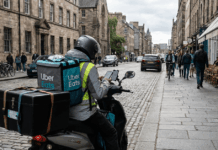

Food delivery rider jobs in Europe offer a unique mix of income opportunities and flexible working hours. These roles have become a popular choice for people looking for accessible, short-term work or side gigs.
For many, it's an entry to the job market or a way to supplement existing income with a schedule that suits individual needs.

This article is for anyone considering riding for food delivery platforms in Europe. Whether you’re a student, recent arrival, or just interested in flexible work, understanding what’s really involved is the first step.
The potential to earn a fair wage while balancing other commitments makes food delivery riding a realistic option for many.
Below, you’ll find practical insights on earnings, requirements, the leading companies, and the important steps to start work legally.
By the end, you’ll know what to expect and how to begin your journey riding for European food delivery apps.
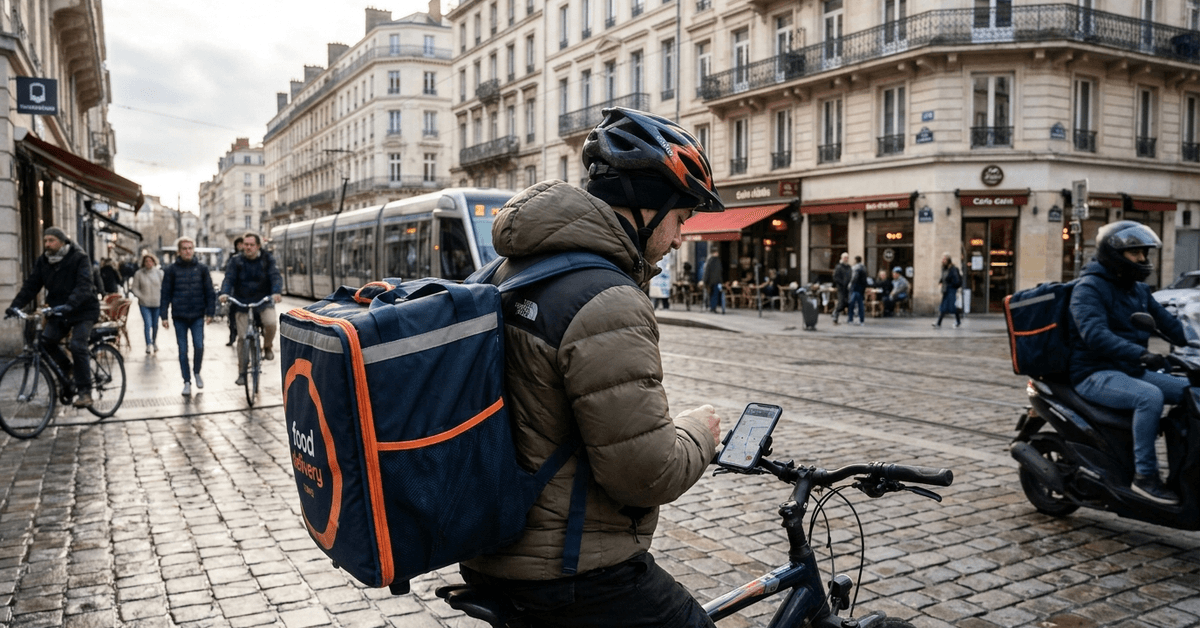
Why Food Delivery Rider Jobs Are in Demand Across Europe
Food delivery jobs have expanded rapidly in recent years. More Europeans are ordering meals online, especially in urban areas where convenience and speed are critical.
This shift in lifestyle means steady demand for riders in both large and medium-sized cities.
Companies like Uber Eats, Deliveroo, Glovo, and Just Eat have widened their coverage, accepting new couriers each month. This expansion lets almost anyone with a bike, scooter, or car join the workforce with minimal barriers.
Still, experiences can differ by location. In cities like Paris, Madrid, or Berlin, the volume of orders can be higher, bringing the chance for greater earnings. However, rural commuters may find fewer opportunities, especially outside main meal times.
How Much Do Food Delivery Riders Earn in Europe?
Rider pay is a key concern. It can depend heavily on several factors—country, city size, and which food delivery company you partner with. Some jobs pay by the hour, but most platforms use a per-delivery or per-kilometer model.
For example, average rides in Central Europe earn between €8–€15 per hour before expenses. A busy evening or rainy weather can mean more bonus opportunities. Platforms may offer surge pricing or extra for long distances or multiple pick-ups.
Still, these numbers don’t always tell the whole story. Riders are responsible for their own fuel, maintenance, and sometimes taxes. Some say managing these expenses is crucial—perhaps more important than chasing the highest pay rates.
Bonuses and Incentives
Leading platforms offer extra bonuses for evening shifts, high-demand times, or completing a set number of deliveries. These bonuses can sometimes double a rider’s base earnings on especially busy days.
Expenses to Consider
Riders often cover their own costs—this is true even for e-bike rentals or rain gear. Factoring in these expenses, net income may look different from initial projections. It’s not always simple math; occasional bike repairs or slow hours can make a real difference.
Steps to Get Started as a Food Delivery Rider
Starting as a food delivery courier in Europe requires a few essentials—most notably, a working vehicle (bicycle, motorbike, or car), a smartphone, and legal working rights in the country. Each platform may have unique requirements, but the following steps are very common.
Choose a Platform
Common choices include Uber Eats , Just Eat (also known as Takeaway.com in various countries), Deliveroo, and Glovo. Availability will depend on your location; some regions have local apps that can compete with the big names.
Register Online
Application processes are usually digital. You’ll be asked to create an account, upload identity documents, and—sometimes—a background check. Some companies also require a short training session or safety briefing, often via online videos.
Set Up Your Equipment
You’ll need a reliable smartphone, portable charger, and sometimes a thermal delivery bag. While platforms sometimes provide branded bags, others ask riders to buy or rent these themselves. Costs vary, but most riders recoup these investments quickly.
Legal Documents and Right to Work
All platforms require valid identification. In some cases, a residence permit or proof of self-employment is required, especially in countries with strict labor regulations. Not having complete documents can result in denial from the platform.
Understand Local Road Rules
European cities often have unique traffic restrictions, bike lanes, and pedestrian zones. It’s important to know city-specific rules to avoid fines or delays. Some countries require reflective vests, helmets, or other safety equipment by law.
Top Food Delivery Platforms Operating in Europe
Several major companies dominate the European market. This variety gives riders some choice in where and how they work, and often allows for working with more than one service.
Uber Eats
Available in most major cities. Known for competitive pricing and straightforward onboarding. They offer clear pay rates and a user-friendly app interface. Further details can be checked at official Uber Eats website.
Deliveroo
Popular in the UK, Ireland, France, and other countries. Deliveroo promotes flexible shifts and often features dynamic bonuses. Riders often praise its accessible support channels, although pay models can differ by country.
Just Eat / Takeaway.com
In countries like Spain, Germany, and the Netherlands, Just Eat is a top choice. Riders may work as employees or self-employed, depending on the country. They sometimes supply e-bikes, which can help control rider costs.
Glovo
Glovo operates across Southern Europe and parts of Eastern Europe, with a reputation for offering varied delivery options—groceries, small parcels, and even gifts, not just food. Its app functionality can suit those who want more than meal deliveries.
Tips for Improving Earnings and Staying Safe
While pay can be steady, maximizing earnings requires some practical thinking and strategy.
Knowing peak order times—weekend evenings or rainy days—can help boost daily income. Riders often report that combining platforms or switching between them based on demand creates more opportunities.
Safety is worth serious attention. Traffic congestion, winter ice, or heavy rain can affect not just pay, but health and equipment condition. Quality gear—helmets, lights, and power banks—makes a difference. Seasoned riders say checking local delivery forums or community chats helps keep up with tips and rule changes.
Managing Workload and Avoiding Burnout
Balancing shifts, especially if delivery work is part-time, helps avoid fatigue. Planning breaks and monitoring the number of hours spent on the road can support long-term well-being.
Legal and Tax Considerations for Riders
Each country has its own approach to legal status, social security, and taxes for delivery riders. Some platforms require riders to register as self-employed, while others may offer full employment contracts with insurance and pensions.
Self-Employment and Registration
Most commonly, riders must handle invoicing and taxes themselves. For this, registration in the local tax authority’s system is often a must. Language barriers or administrative steps may feel tedious, but skipping them can mean problems later.
Employment Contracts
In certain countries, especially in Northern Europe, platforms may hire riders as part-time employees, with benefits like paid holidays or accident insurance. Always review the terms and seek support if unsure about your status.
Insurance
Third-party liability and health insurance may be legally required in some places. Some platforms include basic accident coverage, while others leave this to the rider to arrange separately.
Social Security Contributions
Paying into social systems or pension funds might be mandatory for self-employed riders. It’s worth verifying the rules with the platform or a local government source—even if it seems unnecessary at first.
Powerful Conclusion – Is Food Delivery Riding in Europe Right for You?
Food delivery rider jobs in Europe present real opportunities: schedule flexibility, steady demand, and the freedom to organize your own workday stand out as clear benefits. But it’s not always a straightforward path—hidden costs, changing regulations, and variable earnings add a layer of complexity worth recognizing.
Some riders discover unexpected satisfaction meeting new people and learning city streets. Others may decide the unpredictable income isn’t for them long-term. As with most flexible jobs, some days are rewarding, and others feel like a grind. If you enjoy autonomy and outdoor work, it’s a space with room to grow.
If you’re interested in exploring available food delivery job opportunities, consider checking the official Takeaway.com courier application page for up-to-date positions and requirements. The next chapter of your working life might just be a bike ride away.