

Interest in working as a self-employed delivery rider in Spain is reaching new heights.
The demand for fast, flexible food and parcel delivery is growing across cities like Madrid, Barcelona, and Valencia.



Whether you’re seeking independence, looking for an extra income, or hoping for a new start, becoming your own boss in the delivery sector has real appeal.
This article is designed for those considering self-employment in Spain as a delivery rider.
If you’re curious about the opportunities, requirements, or daily realities of this role, you’ll find clear steps to help you move forward with confidence.
Discover how you could start earning, what skills matter, and what regulations will shape your journey.
Why Self-Employed Delivery Jobs Are Thriving in Spain
Spain’s cities are evolving fast. There’s a clear surge in demand for quick delivery—especially in food, groceries, and online retail.
The lifestyle shift toward convenience keeps pushing gig work forward, creating plenty of openings for reliable riders throughout the country.
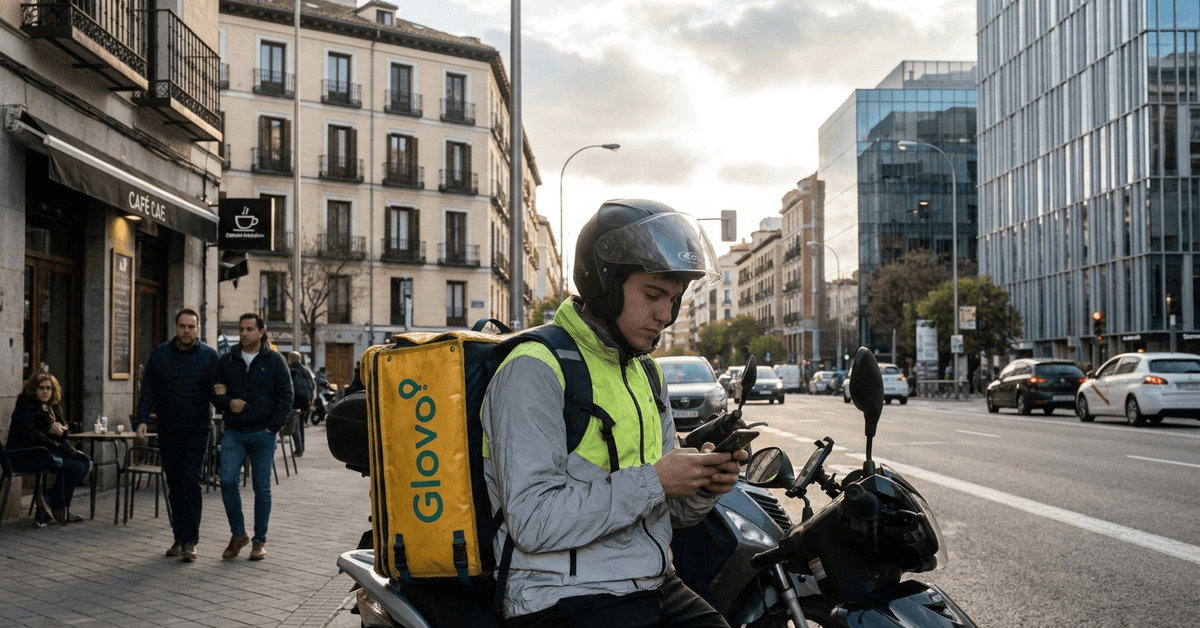
Even tourists and expats are noticing this growth. For individuals with basic navigation skills and a willingness to learn, the delivery sector offers a practical way to integrate into Spain’s urban economy, perhaps even with limited Spanish skills at the outset.
Flexibility and Independence
The ride is never exactly the same from one day to the next. Most delivery platforms allow riders to set their own hours and routes, fitting work around studies, family, or other obligations. There’s a certain pride in being not just an employee, but a self-employed professional.
Income Potential
The average earnings can vary but, in some cases, motivated riders in larger cities have reported monthly incomes above the Spanish minimum wage. Seasonal peaks and special promotions sometimes push earnings even higher, although this is rarely guaranteed.
Entry Requirements Are Manageable
It’s notable how few barriers stand in your way. No university degree is needed. Many riders begin with just a smartphone, a bike, and the right registrations. Several major platforms, like Glovo, Uber Eats, or Stuart, accept riders who meet essential legal and safety criteria.
How to Get Started as a Self-Employed Delivery Rider in Spain
The path is more straightforward than most expect, but the process must be taken seriously. There are several official steps that, once completed, give you the green light to operate legally and access the main delivery platforms.
Register as an Autónomo (Freelancer)
The first official step involves registering as an autónomo . This status means you’re operating as a self-employed person in Spain. It’s handled through the Spanish Social Security system and the local tax office. Costs may vary, but Spain often offers reduced fees for the first 12 months.
Secure the Necessary Documentation
A Spanish NIE (Número de Identificación de Extranjero) or DNI (for citizens), local address, and valid bank account are standard requirements. Additionally, platforms may ask for proof of address and evidence of social security registration.
Choose Your Delivery Vehicle
Bicycle, scooter, or motorbike—the choice is yours. Spain’s cities, with narrow streets and bike paths, often favor lightweight options like bicycles or electric scooters. Motorbikes, while faster, may increase start-up costs and insurance requirements.
Meet Safety and Insurance Obligations
Insurance is non-negotiable. At minimum, liability insurance (Seguro de Responsabilidad Civil) is recommended. For motor vehicles, the law requires additional cover. Wearing a helmet and appropriate safety gear is always advisable.
Apply to Major Delivery Platforms
Spain’s leading platforms—such as Glovo and Uber Eats —have clear onboarding instructions. Usually, after uploading your documents and passing a short induction, you can start accepting orders.
Top Delivery Platforms for Self-Employed Riders
The gig economy in Spain is dominated by several well-known brands. Each has its own system, app workflow, and payment rates. Taking time to compare your options could impact your monthly income and work experience in the long run.
Glovo
Probably the most visible app in Spain, Glovo covers the widest territory. Many riders describe its onboarding as clear and its payouts as reliable, though peak hours can be competitive.
Uber Eats
This global player features in major Spanish cities and is known for its straightforward order system. The app interface tends to be newcomer-friendly, which can make the first weeks smoother for those unfamiliar with app-based work.
Stuart
Specializing in express delivery, Stuart partners with various retailers, not just food outlets. Some riders prefer its steady order flow, particularly outside typical meal times.
Essential Skills and Daily Realities of Courier Work
Thriving as a self-employed courier isn’t just about riding fast. There’s a lot more to it, especially in Spain’s sometimes unpredictable cities.
Navigation and Time Management
Knowing your way around, using maps or apps effectively, and planning efficient routes saves time—and boosts earnings. Training yourself on local traffic rules definitely helps, even if mistakes sometimes happen early on.
Customer Service
Each delivery is a chance to make someone’s day. Riders who communicate well, adapt to unexpected issues, or stay calm with dissatisfied customers soon develop a positive reputation—not just with clients, but platforms too.
Endurance and Self-Motivation
Workloads ebb and flow. There’s effort involved, especially on tough routes or in hot weather. Building stamina—both physical and mental—is as much a part of the job as any document.
Legal and Tax Considerations for Self-Employed Riders in Spain
Operating as an autónomo delivery rider comes with ongoing legal and tax obligations. Spain has a robust regulatory framework, and staying on top of your requirements can protect both earnings and peace of mind.
Taxes and Invoicing
Autónomos must submit quarterly tax returns and issue proper invoices for all services provided. Value Added Tax (VAT, or IVA) applies in some cases. Mistakes or late filings may lead to penalties, so setting reminders often saves headaches.
Social Security Contributions
Monthly payments to the Seguridad Social are mandatory. For many, the initial “tarifa plana” (reduced contribution) is available. However, regular reviews of your registration status are recommended, especially if your income changes.
Licenses and Local Rules
Though national laws apply broadly, some municipalities add specific requirements, such as noise limits for scooters or bike parking zones. Checking local guidelines before accepting orders in a new city avoids complications later.
Tips to Maximize Earnings and Job Satisfaction
While some days are busier than others, certain strategies tend to boost both income and personal satisfaction in courier work.
Optimize Peak Hours
Deliveries often surge during lunch and dinner. Riders who time their shifts for these periods usually complete more orders and earn higher bonuses. Evenings and weekends might offer unexpected spikes, too.
Maintain Your Equipment
Regularly checking your bike, scooter, or motorbike saves time and stress later. Some riders keep basic repair kits handy—perhaps an over-cautious habit, but it often prevents long delays.
Join Rider Communities
Many Spanish cities have active delivery rider groups. Sharing tips, shift swaps, or updates on platform changes can make work less isolating. Occasionally, these networks even provide inside info on where demand is spiking.
Your Next Steps: Launching Your Courier Career in Spain
Starting as a self-employed delivery rider in Spain means combining independence with responsibility.
The freedom to set your own hours, select your city, and even choose your delivery vehicle is appealing. Yet adapting to taxes, insurance, and daily logistics takes ongoing effort.
Whatever your motivation—financial, practical, or personal—Spain’s delivery sector opens doors to a flexible career.
For official requirements and registration, the Spanish government’s autónomo registration portal provides trusted, up-to-date information and application steps.
The journey may include detours, but with preparation and the right mindset, becoming a self-employed rider offers a pathway to real opportunity.
Exploring, adapting, and finding your work rhythm might take some trial and error, but the rewards can be significant—and, for many, well worth it.