
If the idea of delivering food while managing your own schedule sounds appealing, many people wonder how easy it actually is to start.
This guide breaks down the Uber Eats driver requirements across the globe and explains how entry works for most locations. It's particularly useful if you're exploring ways to earn flexible income anywhere in the world.



Understanding Uber Eats Driver Eligibility Worldwide
Delivering with Uber Eats is open to a surprisingly wide audience. However, each region might add a twist, given differences in local law and regulations. Whether you're in Europe, North America, Asia, or beyond, some criteria remain fairly consistent.
Minimum Age and Driving License Requirements
The age threshold typically falls between 18 and 21 years old, based on the vehicle you choose and where you live. Most countries insist on a valid, government-issued driving license. There are some rare exceptions, but usually no way around this.
Vehicle Choices: Car, Scooter, or Bicycle?
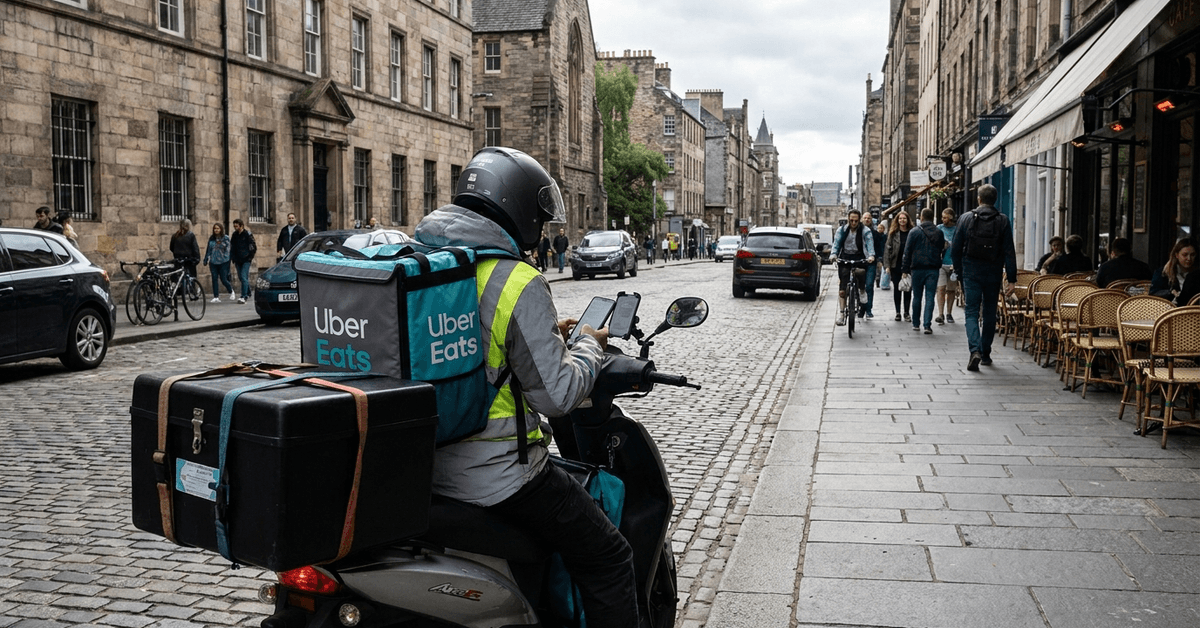
One of the perks is choosing your delivery method. Cars need insurance and may have age limits. Scooters often require smaller licenses, and bicycles generally have looser regulations. In cities with heavy traffic, a bicycle can even be the better choice.
What Documents Are Needed?
Document demands may seem like a headache but are mostly standard. Your driver's license, proof of vehicle insurance (when using a car or scooter), and a National ID or passport are essential. Sometimes, Uber Eats requests a background check authorization—just another step in the process.
Vehicle Registration and Insurance
Your vehicle usually needs to be registered in your country or city, especially for cars and scooters. Insurance documents, both for the vehicle and sometimes for personal liability, should be current and easy to upload during sign-up.
Background Screening
The screening looks at your criminal and driving record. The rules here are pretty strict, but they're designed to make both customers and drivers feel secure. Waiting for this can be a little nerve-wracking, but it's standard in the industry.
How to Sign Up for Uber Eats (Worldwide)
The process for joining Uber Eats might feel intimidating at first, especially with all the digital paperwork involved. But in practice, it's mostly about following clear steps, and the majority of people find the sign-up experience straightforward once they get started.
Step 1: Register an Account Online
Go to the official Uber Eats driver sign-up page. Here, you'll create an account using your email address and personal information. A strong internet connection really helps avoid any interruptions.
Step 2: Upload Required Documents
After creating your account, you'll be prompted to upload your driver's license, vehicle documentation, and insurance (when relevant). Photos need to be clear and show all the details—best not to rush this part.
Step 3: Consent to Background and Safety Screening
This usually means agreeing to a review of your criminal background and driving history. The checks can take from a few hours to several days. It's not unusual to feel a bit nervous waiting, but most applicants pass without concern.
Step 4: Vehicle Inspection (If Required)
In some cities, Uber Eats may require a basic vehicle inspection, mostly for cars and scooters. This isn't universal, but where it's necessary, the guidelines are usually clearly stated on the sign-up platform. The inspection focuses on safety, not so much on aesthetics.
Step 5: Account Approval and App Activation
When everything checks out, your Uber Eats account is activated. You can now log in to the Uber Driver app and start accepting delivery requests whenever you feel ready. The whole process has a rhythm to it, even if the waiting periods vary by region.
Special Considerations by Country and Region
Uber Eats tailors some requirements to fit national laws and city regulations. For instance, background checks in the US might be stricter than in some parts of Asia. Some European cities limit gig work hours or set minimum vehicle standards.
Countries with Stringent Vehicle Insurance
Certain places expect comprehensive delivery insurance. Western Europe and North America, in particular, might only accept vehicles with specific delivery insurance policies, making it a little harder to jump in without advance planning.
Major Urban Centers and Alternative Transport
Many large cities encourage deliveries by bike or scooter, partly to ease congestion and emission concerns. In Tokyo, Paris, or São Paulo, bikes might even be favored by both platform and customers because they're quicker in dense areas.
Typical Earnings and Payment Schedules
Earnings can vary dramatically based on location, local demand, delivery hours, and even traffic patterns. For some, it becomes a full-time arrangement; others treat it as a side hustle. Earnings are usually sent weekly, though in some countries, instant payouts are available for a small fee.
Factors That Affect Your Earnings
Peak hour surges, promotional bonuses, and urban density all influence how much you can make. You might find your results differ by day or week—sometimes unpredictably. Realistically, there are both slow and fast days.
Payment Methods Supported
Payments are typically made through direct bank transfers. Some countries allow alternative options like PayPal. It's worth double-checking specific details based on your location to avoid hiccups in receiving your payment.
Legal, Tax, and Insurance Implications
Delivering with Uber Eats usually qualifies as self-employment, though definitions can vary. Tax responsibility rests mainly with drivers—another aspect that might cause confusion but can't be ignored. Some countries require independent contractors to register for taxes.
Insurance Gaps to Know
The standard delivery insurance provided by Uber Eats may not cover every scenario. This especially concerns incidents outside of active delivery times. Some drivers prefer adding extra coverage just in case, but policies and suggestions differ.
Keeping Up with Changing Regulations
Regulations evolve—as cities adjust rules and gig platforms update agreements, expectations for insurance or hourly limits may shift. It's not always easy to keep up, and occasional surprises are likely as the landscape changes globally.
Frequently Asked Questions About Uber Eats Delivery
The process and requirements are sometimes overwhelming. Here are some questions that come up often, though local rules might create exceptions.
- Do I need my own vehicle to deliver? Not always; in some cities, rental bikes or cars are permitted.
- Can I deliver part-time? Yes, flexibility is a strong appeal for most people starting out.
- Is a smartphone required? Definitely, as all logistics run through the Uber Driver app.
- Are background checks mandatory? In nearly all areas, yes, though the thoroughness can differ.
Ready to Start Delivering with Uber Eats?
For many considering flexible delivery work, Uber Eats offers a chance to earn on your schedule. Requirements can seem daunting at first glance, though most people, after taking the time to review each step, find the process fairly direct. Reading through this guide helps clarify what's really needed, and where the finer details matter by country.
For those interested in beginning their application, the quickest way is to visit the official Uber Eats driver application page. Every step brings you closer to getting on the road—whenever and wherever you choose.