
If you're considering a new bank card in Bulgaria, you might be weighing up what Raiffeisenbank offers in terms of benefits and possible costs.
For many residents, travelers, and students, choosing the right card involves more than grabbing the first option. Perhaps you've wondered about hidden fees or wanted a card packed with practical perks?
This guide explores the Raiffeisenbank Bulgaria card —focusing on the benefits, key features, fee structure, and some often-overlooked factors that could matter for your daily and long-term use.
It’s especially relevant for people seeking flexibility, security, and a reliable card suitable for everyday payments or travel.
Why Consider a Raiffeisenbank Card in Bulgaria?
Not every card is created equal. The Raiffeisenbank Bulgaria card market has evolved, shaped by demand for both convenience and digital-first banking.
Some might say that fee transparency isn’t always obvious, so understanding the balance of perks and charges is key for most people.
Solid Digital Banking Infrastructure
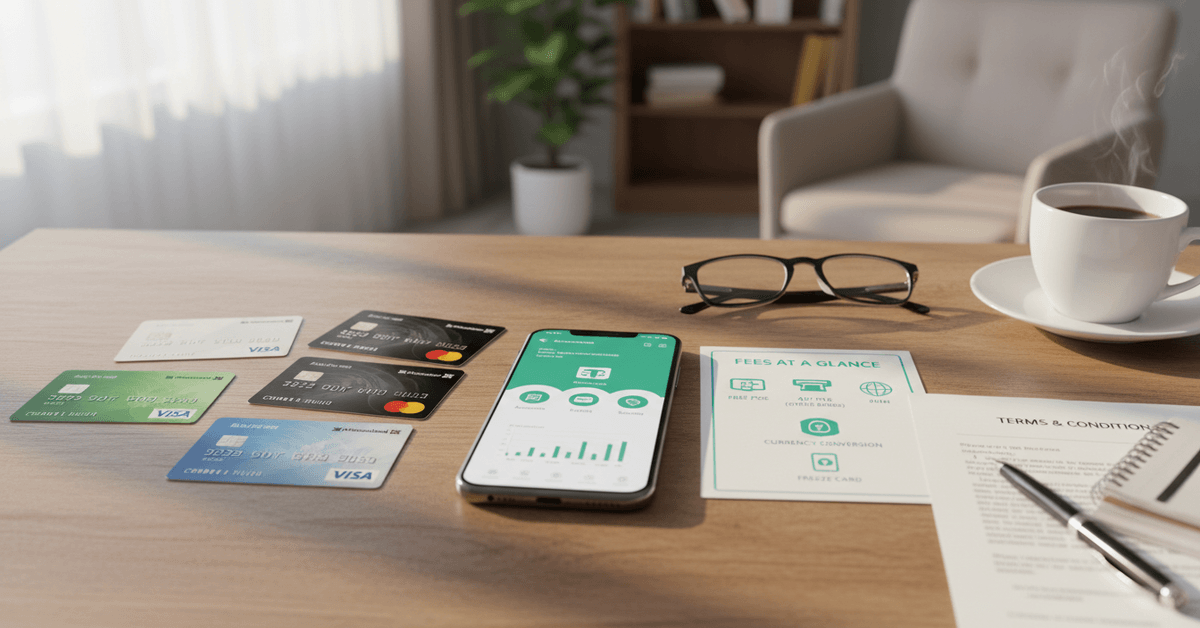
Raiffeisenbank has heavily invested in digital banking services. This means many find their mobile banking app helpful, allowing for real-time tracking of transactions and quick card controls.
Accepted Widely
Another distinguishing feature: Raiffeisenbank cards (contactless and EMV chip protected) are accepted at most Point of Sale (PoS) terminals across Bulgaria and in the EU, letting you make payments securely and conveniently.
Flexible Card Options
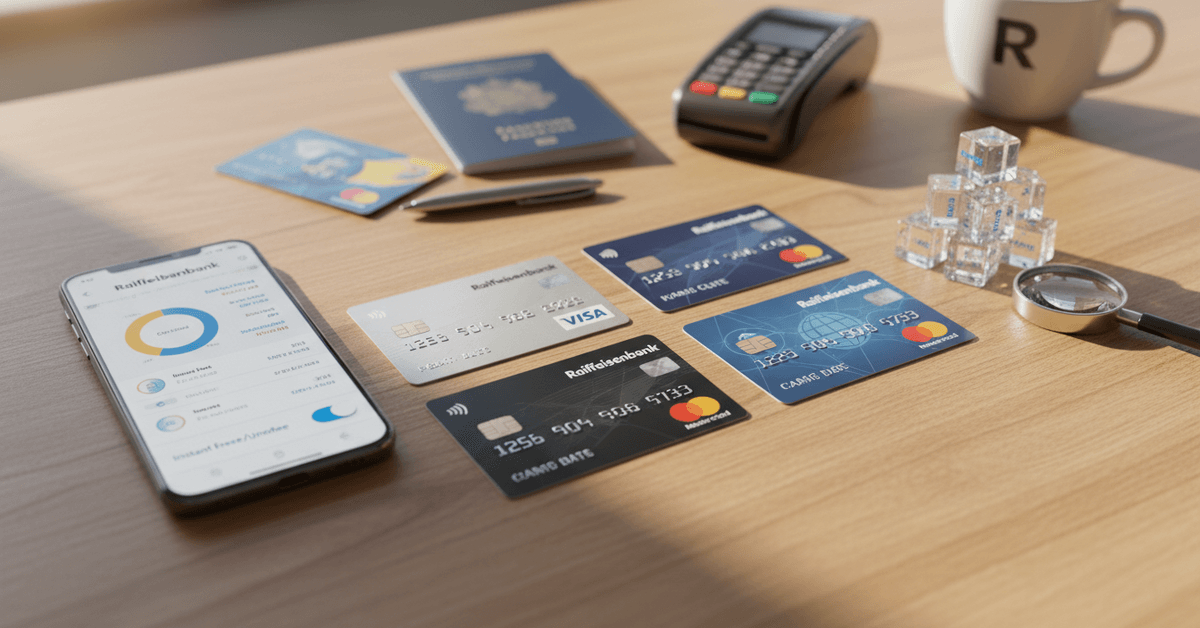
The card range covers debit and credit solutions—each tailored for different spending needs. Students and young professionals sometimes lean toward basic debit cards, while frequent travelers often gravitate to Raiffeisenbank’s premium credit options.
Core Benefits of Raiffeisenbank Bulgaria Cards
Cardholders enjoy a set of advantages that go beyond quick payments. It’s true that some features may seem standard, but others are worth highlighting for everyday users.
Security Features
Cards come with built-in chip-and-PIN technology, reducing the risk of fraud. There’s also 3D Secure for online payments, and you can freeze/unfreeze your card via the app in seconds.
Contactless Transactions
Paying with just a tap is now mainstream. Whether you’re in a café or supermarket, contactless PoS transactions are swift, with limits for PIN-less purchases set by regulations—but flexible enough for most.
No-Fee Payments at Partner Merchants
Some merchants, particularly those directly partnered with Raiffeisenbank, process card payments without additional fees. This isn’t always the case at all retailers, so it’s worth checking when in doubt.
International Use
Most cards are multi-currency enabled. If you travel in the EU—or even outside—the same card can be used at ATMs and PoS devices that accept Visa or Mastercard. Currency conversion is handled automatically but may involve a small fee.
Online Services and E-Statements
Managing your card doesn’t mean paper trails. The e-banking portal and mobile app provide digital statements, quick balance checks, card limits, and notification controls. For anyone optimizing their finances, digital access can be a real advantage.
What Types of Cards Does Raiffeisenbank Bulgaria Offer?
The actual card choice depends on your lifestyle and spending goals. Here’s an overview of common options:
- Debit cards (Visa & Mastercard versions)
- Standard credit cards (classic and premium variants)
- Specialty cards (for travel benefits, student offers)
Features and fees, as you might expect, differ by card type. While debit cards provide simpler benefits for daily expenses, credit cards may unlock higher limits, travel insurance, or even bonus programs.
Understanding Raiffeisenbank Card Fees in Bulgaria
Perhaps the question most people ask: What will this actually cost over time? Fees can appear straightforward, yet there’s often a bit to unpack.
Annual and Issuance Fees
Most debit cards tend to have a modest issuance fee, and sometimes a low yearly maintenance charge. With credit cards, the annual fee may be higher—however, introductory offers, fee waivers, or rewards can offset these (depending on current bank promotions).
ATM Withdrawal Charges
Using your card at a Raiffeisenbank ATM usually comes at no extra cost. However, withdrawing cash from other banks’ ATMs (domestically or abroad) might involve a fixed fee plus a percentage of the withdrawn amount.
PoS Payment Charges
Withdrawing cash from a merchant’s PoS terminal is subject to a different set of fees than retail purchases. Standard retail PoS transactions are generally free, but ‘cash advance’ style PoS withdrawals may incur charges—so double-check before using this option.
Currency Conversion and International Use
Paying in a currency other than BGN typically adds a conversion fee, usually between 1%-3% of the transaction. International ATM withdrawals can compound these fees with extra surcharges, depending on the location and network used.
Account Maintenance and Other Administrative Costs
There are small monthly account maintenance fees for some cards. Re-issuing a lost or stolen card also carries a one-time charge. Overdraft facilities or late payment penalties (for credit cards) may add to the overall cost.
Key Factors to Evaluate Before Choosing
Maybe the sheer number of features makes comparison tricky. Some find it helpful to list personal requirements and see which card type aligns closest.
How Often Will You Use International Payments?
If you rarely pay outside Bulgaria, a basic debit may suffice, while frequent cross-border spending favors multi-currency credit cards.
Do You Need Advanced Security or Controls?
Some prefer advanced mobile controls and instant notifications, while others value simplicity. It’s a matter of personal preference—though real-time fraud alerts have become nearly essential.
Are Rewards or Cashback Significant?
Some credit cards offer reward points, cash back, or travel insurance. Weigh these perks against annual fees to gauge actual value; sometimes the psychological benefit outweighs the tangible ones, depending on spending habits.
How to Apply for a Raiffeisenbank Bulgaria Card?
Applying is usually straightforward. Most customers can start the process online, requiring just personal ID, proof of income (for credit options), and sometimes residence documents.
Approval times vary; for basic debit cards, it can be same-day, while credit cards might take longer due to additional checks.
- Complete the application (online or in-branch)
- Submit required paperwork
- Wait for bank decision and card issuance
- Activate the card via ATM, app, or phone
Physical card delivery—by courier or in-person pickup—may depend on your chosen branch and the card type.
Tips for Making the Most of Your Card
A few practical suggestions may unlock added value and minimize issues.
- Check your digital statements frequently, watching for unknown charges
- Enable alerts for large or foreign transactions
- Store the bank’s hotline in your phone for emergencies
- Review ATM and PoS network locations before travel abroad to reduce fees
- Explore the bank app features—like freezing/unfreezing and adjusting card limits
Legal and Tax Considerations in Bulgaria
Most personal cardholders won’t meet complex tax requirements, though some business users need to report card activity for accounting.
Bulgarian law mandates strict anti-fraud controls—so, you might experience alerts or temporary blocks if your pattern changes suddenly.
Personal data is handled under GDPR, ensuring privacy and consent for digital statements or location tracking. For large purchases or international transactions, it’s sometimes worth discussing with a financial advisor familiar with Bulgarian banking practices.
Final Card Thoughts
A Raiffeisenbank Bulgaria card can be useful for daily payments, online banking, travel, and secure card management. Before choosing one, compare the fees, card type, ATM charges, currency conversion costs, and digital features carefully.
It is also important to match the card with your real spending habits instead of choosing based only on rewards.
Used responsibly, the card can offer convenience and flexibility while helping you control costs more effectively.