
Wondering how to apply for a Fibank credit card in Bulgaria ? There’s plenty to know, and picking up the right details before starting the process can save time and, perhaps, even avoid a headache or two.
This guide brings together everything one might need—from understanding main benefits to preparing the correct paperwork—all based on current, real-world user experience in Bulgaria.
Whether you’re expat, student, or long-term resident, if access to flexible spending options appeals, reviewing the Fibank card could make sense.
The benefits go beyond simple shopping: security features, rewards, and contactless payments are just a handful of perks. For those who like comparing, minor differences between providers can matter too.
Let’s unpack what makes Fibank stand out in Bulgaria and how one could approach the application with realistic expectations.
Why Choose a Fibank Credit Card in Bulgaria?
Thinking about the reasons people gravitate toward Fibank credit cards, a few stand out. Of course, everyone prioritizes features a bit differently, but the following are commonly mentioned:
Widespread Acceptance and Usage
In Bulgaria, especially in cities like Sofia, Plovdiv, or Varna, card payments have become the standard—especially at point-of-sale (PoS) terminals.
Fibank credit cards are generally recognized and widely accepted in supermarkets, retail stores, dining places, and online shops.
Range of Card Options and Flexibility
Fibank offers several card types—Visa, Mastercard, and sometimes premium-specific cards. This diversity provides various credit limits and tailored benefits, potentially aligning with different lifestyles or even travel habits.

Competitive Fees and Special Offers
Annual and transaction fees are a focus for many. Over the years, Fibank has maintained fairly transparent fee structures, with the occasional seasonal promotion or cashback campaign.
Contactless and Secure Payments
Given ongoing concerns about payment safety, it’s reassuring for most users that Fibank cards typically include EMV chip security, contactless technology, and tools for managing online payments securely.
Step-by-Step: How the Fibank Credit Card Application Works
It’s easy to assume that applying for a credit card is universally complicated, but in Bulgaria, the process is relatively streamlined—if all requirements are met from the start. Here’s how it usually unfolds:
Step 1: Prepare Your Required Documents
- Personal ID document (Bulgarian national ID or valid passport).
- Proof of address, such as a recent utility bill or rental contract.
- Evidence of income—could be recent payslips, work contract, or pension certificate.
- Occasionally, additional documents may be necessary (such as visa or residency paperwork for non-nationals).
Step 2: Review Fibank’s Application Criteria
Not everyone qualifies right away. Fibank usually reviews credit history, current financial obligations, and sometimes employment stability. Those with limited documented income (for example, freelancers or students) may face more stringent review.
Step 3: Apply In Person or Online
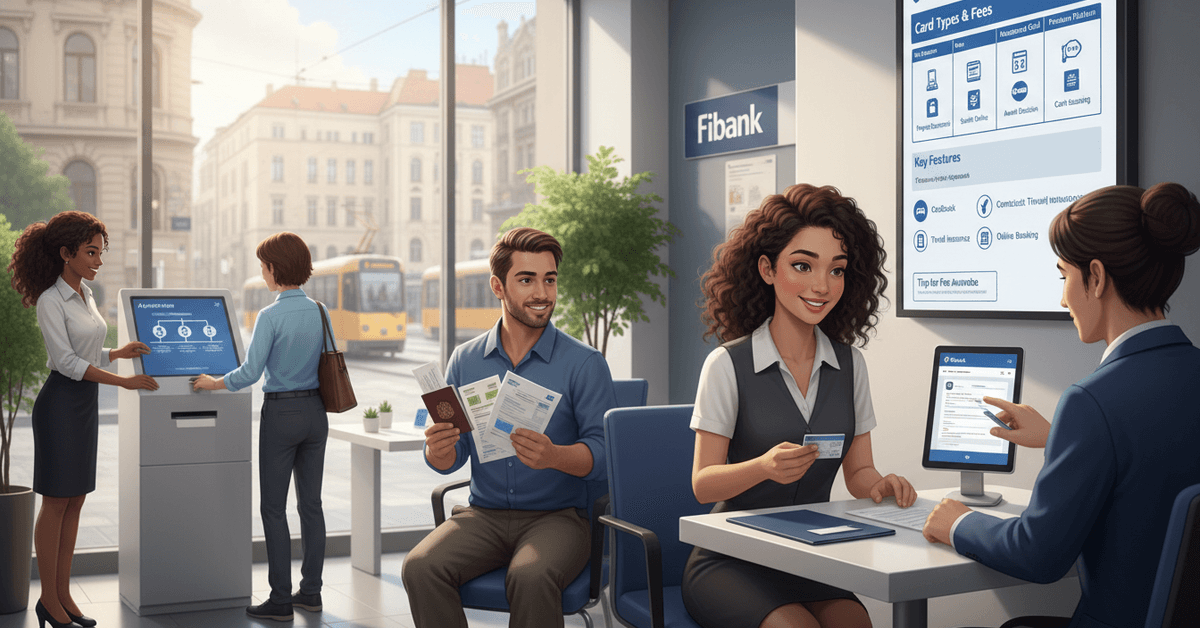
Applicants can either visit a Fibank branch or use the Fibank website for initial application. Both options are available, but in-branch visits might accelerate the process, especially if supplementary documentation is required.
Step 4: Wait for the Decision
While some will receive a preliminary reply within a day or two, others may wait up to a week. The waiting time often depends on the complexity of one’s documents and financial background.
Step 5: Card Issuance and Activation
After approval, the credit card is issued. Usually, it can be picked up at the branch or delivered via mail. Activation instructions arrive with the card, sometimes requiring a quick phone confirmation or use of an ATM.
Eligibility Requirements: Who Can Apply?
Every bank sets eligibility benchmarks, but in Bulgaria, the following are standard for most Fibank credit card applications:
- Applicants should be at least 18 years old.
- Valid residence address in Bulgaria.
- Documented, steady income (type and minimum may vary by credit limit).
- No recent negative credit history. (Existing debts or past defaults may limit approval chances.)
Foreign nationals are accepted, provided all documents—including visa or residence permit—are up-to-date.
Self-employed applicants or freelancers sometimes experience additional review steps, but approval remains possible when all evidence aligns.
Understanding Fibank Credit Card Features and Fees
Comparing card products means taking a close look at associated costs and value-added features. No one enjoys hidden fees, so the following are the most commonly discussed aspects:
Annual and Monthly Fees
Typically, Fibank’s standard cards involve a modest annual or monthly maintenance fee. Premium or gold-level cards might have higher charges, balanced out by special rewards or travel benefits.
Interest Rates and Grace Periods
It’s easy to overlook interest rate details, but those matter—especially if balances are not paid in full each month. Most Fibank cards include a grace period (maybe up to 45 or 50 days) for interest-free purchases, but cash withdrawals often accrue interest immediately.
Currency and Foreign Transaction Usage
Cards are generally issued in BGN (Bulgarian lev). Using credit cards abroad may carry foreign currency conversion fees, although select premium cards may reduce or waive these charges.
Reward Programs and Special Promotions
Occasionally, Fibank offers cashback, points-earning schemes, or discounts with partnering brands. The best way to spot these is by checking the Fibank website or inquiring directly in the branch.
Common Credit Card Use Cases in Bulgaria
From daily groceries to electronics, credit cards simplify spending and help track expenses. While some users avoid credit cards for bigger purchases, others embrace features like installment plans or travel insurance that may be bundled.
Online Shopping and Utility Payments
Online platforms and local e-commerce businesses widely accept Fibank credit cards, making bill payment and shopping more convenient—sometimes even with added fraud protection.
Travel and Reservation Security
Frequent travelers often mention that having a Bulgarian credit card simplifies hotel bookings and flight reservations. Those who opt for premium-level cards may gain free travel insurance as a perk.
What to Expect After Applying
The initial wait can be a little uncertain, but after approval, most people receive their card within a few business days. Once activated, online account management is available via Fibank’s online banking or mobile app. First use may require an ATM transaction or signature confirmation.
Managing Your Card Responsibly
Those aiming to build or maintain good credit will want to pay off monthly balances and keep borrowing below approved limits. Missing payments not only incurs extra fees but—honestly—can impact access to future credit products.
Legal, Tax, and Security Considerations in Bulgaria
No financial product is free of small print. Bulgarian credit card agreements do spell out the lender’s and cardholder’s responsibilities. These are a few crucial legal or regulatory areas one might encounter:
Data Privacy and Consumer Protection
Fibank is regulated under Bulgarian and EU banking laws, including data privacy under GDPR. Generally, cardholders’ personal and financial data are protected, but reading the terms is still wise before applying.
Tax Reporting on Credit Usage
For most private consumers, credit card spending itself does not trigger tax reporting obligations. However, earning rewards or cashback (especially for business-use cards) might occasionally have tax implications. When in doubt, consulting a local accountant is the safe bet.
Handling Loss or Fraud
If a card is lost or stolen, Fibank recommends immediate notification to lock the account. Most credit cards include zero-liability protection for unauthorized charges, provided loss/theft is reported quickly.
Frequently Asked Questions About Fibank Credit Cards
- Is it possible to apply as a foreigner?
Yes, though valid Bulgarian residency documents are usually required. - Can I increase my credit limit?
Limit increases are sometimes possible after several months of responsible usage. - Where can I monitor my card activity?
Through Fibank online banking or the official mobile app. - Are there PoS-related fees?
For typical in-store purchases, no extra fees apply to the cardholder.