
When it comes to daily payments in Bulgaria, a Postbank Bulgaria credit card can seem like a practical choice. For those comparing options in 2026, understanding both card benefits and potential costs is necessary.
This guide is designed for residents, expats, and travelers interested in managing spending and maximizing financial convenience in Bulgaria.
Below, the main features, advantages, and conditions of Postbank Bulgaria credit cards are explored. Whether someone is new to credit cards or seeking to reevaluate fees, this overview can help clarify expectations and possible strategies for use.
Main Benefits of Postbank Bulgaria Credit Cards
Most people look for a credit card that fits their needs, not just in Bulgaria but everywhere. Postbank has introduced various credit cards with several practical benefits for 2026.
Let’s break down some highlights that might be relevant for different lifestyles and financial goals.
Wide Acceptance at Points of Sale
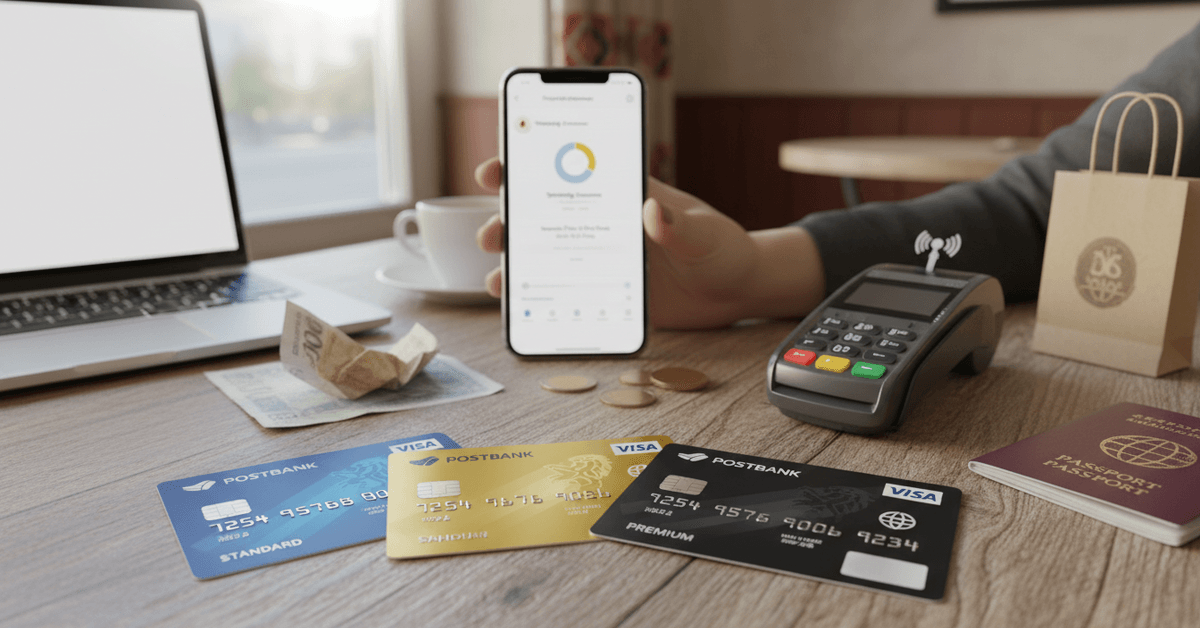
Using a Postbank card, it’s possible to make payments at thousands of PoS (Point of Sale) terminals throughout Bulgaria.
As a member of international networks like Visa or Mastercard, Postbank cards are accepted at many Bulgarian stores, online retailers, and service providers. It’s likely helpful for daily shopping, dining, or even recurring utility payments.
Interest-Free Periods
Certain Postbank Bulgaria credit cards promote up to 45 or even 55 days of interest-free payments, as long as the cardholder fully pays off the balance within this window.
This means purchases made today could be settled next month—without extra interest, a feature that can offer more flexibility in budgeting.

Loyalty Rewards and Cashback
In recent years, loyalty programs have become more popular in Bulgaria. Postbank offers cards with reward points, which are accumulated with each purchase.
These points may be exchanged for discounts, cashback, or exclusive offers at selected partners. Often, everyday spending generates the most points, so routine usage could be surprisingly rewarding.
Flexible Payment and Installment Plans
For larger purchases, some cards present installment payment options. Rather than paying all at once, authorized purchases over a certain amount can be divided into monthly installments, usually with lower or even zero interest under specific campaigns.
Contactless and Mobile Payments
Contactless technology has become nearly standard by 2026. Postbank Bulgaria credit cards mostly support tap-and-go payments at compatible terminals, as well as integration with mobile wallets for Android and Apple users.
Transactions tend to be not just faster but also more secure, given the layers of authentication now in place.
Key Fees and Charges for 2026
Though credit cards bring benefits, some fees do apply. For anyone budgeting or comparing financial products, it’s likely useful to know what standard fees might appear on a Postbank Bulgaria credit card statement. Here’s a summary of the main charges reported for 2026:
Annual or Monthly Card Fees
Most credit cards issued by Postbank have either a yearly maintenance fee or a monthly charge. The amount usually depends on the card type—basic, gold, premium, or tailored for travel.
For some cards, the fee may be waived during the first year, especially as part of a promotional offer, but reactivated from year two onwards.
Interest Rates
If the card balance is not settled within the interest-free period, interest will be charged on the remaining amount. Credit card rates can vary, but Postbank typically sets a competitive APR compared to other Bulgarian banks.
Rates may be fixed or variable, often linked to the base rate established by the Bulgarian National Bank.
Foreign Transaction Fees
Using the card abroad or for transactions in non-BGN (Bulgarian Lev) currencies may carry extra costs. This fee is usually charged as a percentage of the transaction amount, and tends to be between 1% and 3%, depending on the card issuer and product type.
ATM Withdrawal Fees
Credit cards are not generally meant for cash withdrawals, and Postbank charges a fee each time a card is used to withdraw cash, either domestically or internationally.
The cost may be a flat amount or a percentage, whichever is higher. Sometimes, promotional rates or free withdrawals might apply, but these are not always common.
Late Payment and Overlimit Fees
Missed payments, or exceeding the approved card limit, triggers extra charges. Late payment fees are applied if the minimum repayment is not made on time.
Similarly, going above the assigned card limit may result in an overlimit fee. It’s a generally accepted fact that regular monitoring of statements can prevent these costs.
Replacement and Miscellaneous Fees
Lost or damaged cards can be replaced for a nominal fee. There’s sometimes a fee for paper statements or transfers from credit card to bank account.
These additional charges are stated in the official Postbank Bulgaria tariff, although they can change from year to year.
How to Apply for a Postbank Bulgaria Credit Card?
The application process for a Postbank Bulgaria credit card is fairly straightforward by 2026 standards. Most prospective applicants begin online, although in-person visits at branches remain available.
Eligibility Requirements
Applicants usually must meet specific criteria: Bulgarian residency, sufficient income documentation, and a reasonable credit history.
Some credit cards are restricted to existing customers or those with regular monthly deposits in a Postbank account.
Required Documents
- Personal identification (ID card or passport)
- Proof of address (utility bill, rental contract, etc.)
- Evidence of income (payslips, bank statements)
- Additional documents depending on card type
Evaluation and Approval
Approval time can differ. Some users report decisions within hours, while others mention a few business days are needed for complex applications or higher credit limits.
Occasionally, further verification is requested. Once approved, the card usually arrives by post or can be collected from a branch.
Comparing Postbank Credit Card Options in 2026
By 2026, several distinct Postbank Bulgaria credit card products exist. Each has its own mix of features. Below is a general outline of typical choices available:
| Card Type | Annual Fee | Interest-Free Days | Loyalty Program | Special Features |
|---|---|---|---|---|
| Standard | Low | Up to 45 | Points | Contactless |
| Gold | Medium | Up to 55 | Cashback | Travel insurance |
| Premium | High | Up to 55 | VIP rewards | Concierge services |
Smart Practices for Using Credit Cards in Bulgaria
There are several ways cardholders try to avoid unnecessary costs and make the most of their credit card benefits. These habits seem simple, but over time may help save money or even earn rewards.
Monitor Spending Regularly
Many people find that using mobile banking or transaction alerts keeps them informed. Unexpected charges or fraudulent activity can happen, so routine checks could make all the difference.
Pay Off Balances During the Interest-Free Period
Perhaps the most practical advice: settling the card balance before the grace period ends removes most interest charges.
Scheduling reminders, or even setting up automatic payments, are tools that help maintain this routine.
Leverage Rewards and Partner Promotions
Some cardholders focus purchases at stores part of the loyalty program network, collecting more points or getting additional discounts. While the value of rewards may be debated, they’re certainly better than missing out entirely.
Understand All Applicable Fees
Reviewing the tariff or official card documentation is helpful, especially when traveling or withdrawing cash. It’s tempting to ignore the fine print, but those small costs can add up if overlooked.
Stay Below the Assigned Credit Limit
Keeping spending within the approved credit limit reduces the risk of penalty fees and protects personal credit scores. Some people prefer to set a lower personal threshold as an extra precaution.
Legal and Tax Considerations for Credit Card Holders
Credit card users in Bulgaria, including those with Postbank cards, should consider certain legal and tax-related points. These details aren’t always top-of-mind, but could become relevant in specific situations.
Data Privacy Regulations
Banks in Bulgaria must comply with GDPR and national privacy laws. Cardholders’ personal and transaction data is protected, subject to banking secrecy. However, there are reporting obligations for unusual transactions or suspected fraud.
Taxation of Credit Card Rewards
Generally, rewards points or cashback earned from spending are not classified as taxable income in Bulgaria, assuming they’re offered as discounts or incentives.
If someone receives direct monetary payments or significant gifts, consultation with a tax advisor may be appropriate. There can be ambiguity in some borderline situations.
Dispute Resolution and Consumer Rights
Bulgarian law provides for protection of credit card consumers. In case of a disputed charge or card fraud, cardholders have the right to dispute transactions, seek reimbursement, and escalate complaints to the Bulgarian National Bank or the Commission for Consumer Protection.
Smart Card Tips
- Pay within the grace period.
- Track spending regularly.
- Avoid credit card cash withdrawals.
- Review all card fees.
- Use rewards with planned purchases.
Final Card Thoughts
A Postbank Bulgaria credit card can be useful for daily payments, rewards, contactless purchases, and short-term spending flexibility.
Before applying, compare the fees, interest-free period, foreign transaction costs, rewards, and eligibility requirements. It is also important to pay the balance on time and avoid using the card for unnecessary cash withdrawals.
Used responsibly, the card can support better convenience while helping you manage costs more carefully